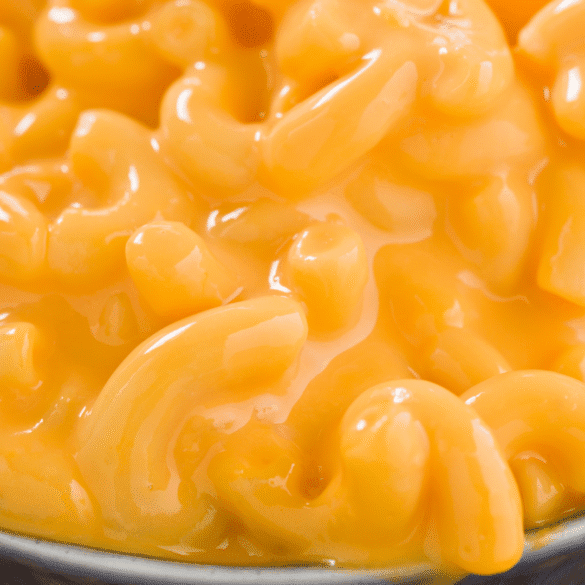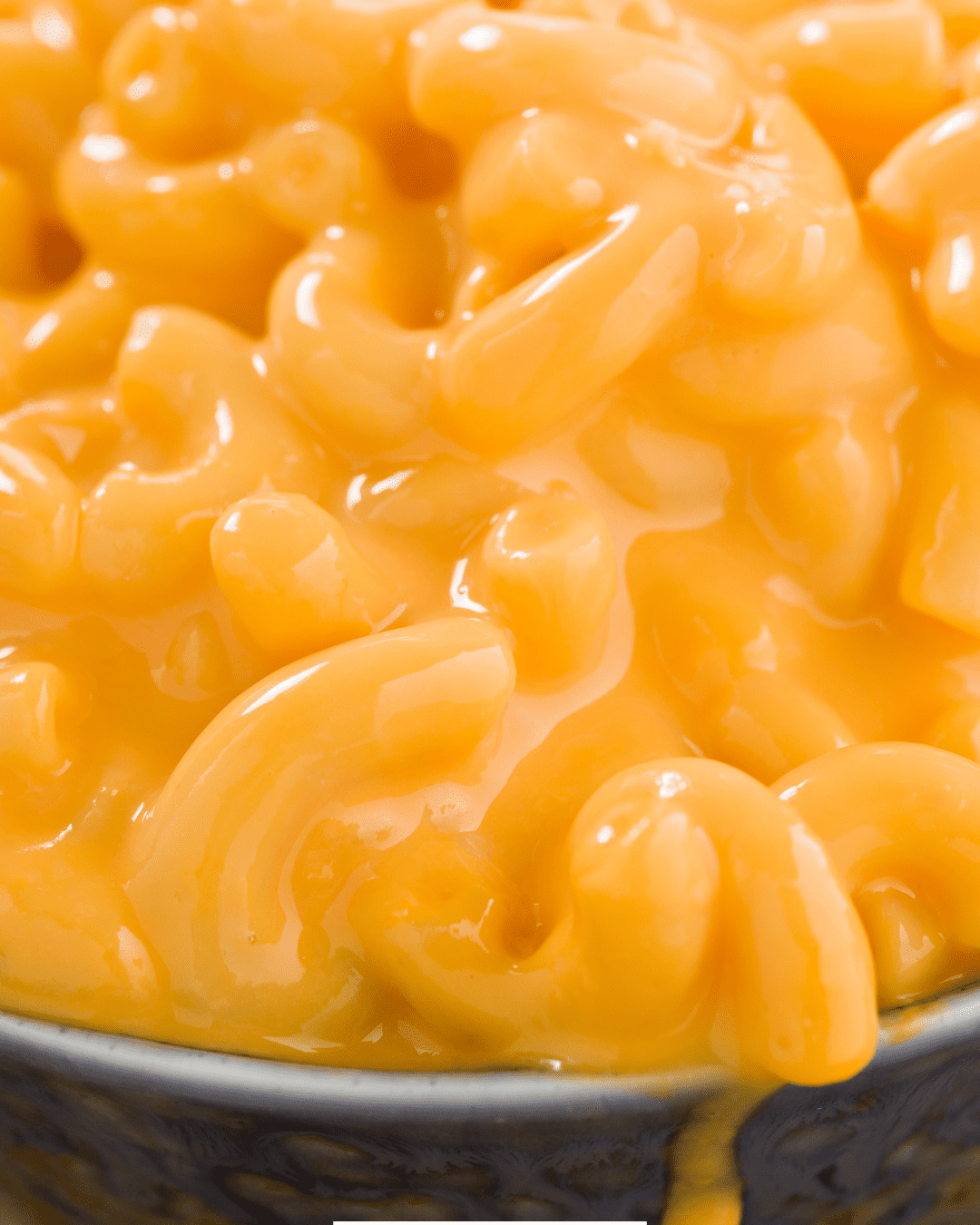
If you’ve been searching for a delicious and creamy Whole Foods Mac and Cheese recipe, you’re in for a treat! This comforting dish is perfect for cozy nights at home or as a crowd-pleaser at your next gathering. Using high-quality ingredients that you find at Whole Foods, this recipe offers a healthy twist on the classic favorite, ensuring you can indulge without the guilt.
Made with a rich cheese sauce and optional add-ins for extra flavor, this Whole Foods Mac and Cheese is customizable to suit your taste preferences. Let’s get started on creating this scrumptious dish that captures the essence of feel-good food!
Table of Contents
How to make Whole Foods Mac and Cheese
Whole Foods Mac and Cheese is a prepared or ready-to-cook dish offered by Whole Foods Market, typically found in their refrigerated or frozen section.
Ingredients
For the Pasta
- 1 lb elbow macaroni (or any pasta of your choice; Whole Foods has great organic or gluten-free options like chickpea or lentil-based pasta)
For the Cheese Sauce
- 2 tbsp unsalted butter (or a plant-based alternative for a dairy-free version)
- 2 tbsp all-purpose flour (substitute with GF flour like rice flour for a gluten-free option)
- 2 cups of milk (milk alternatives like oat or almond milk can be used for vegan/dairy-free recipes)
- 1 cup shredded cheddar cheese (Whole Foods cheddar is excellent, but try mixing with Gruyère, mozzarella, or Monterey Jack for extra creaminess)
- ½ cup grated Parmesan cheese
- ¼ tsp Dijon mustard (optional for added depth and tanginess)
- ½ tsp garlic powder
- ¼ tsp paprika
- Salt and pepper to taste
Optional Add-In Ideas
- Sautéed vegetables (broccoli, spinach, mushrooms)
- Vegan cheese, for a plant-based alternative
- Crushed breadcrumbs for a crunchy topping (try Whole Foods’ panko breadcrumbs or gluten-free options)
Instructions
Step 1: Cook the Pasta
- Bring a large pot of salty water to a boil and cook your pasta according to package instructions.
- Drain the pasta and set it aside while you make the cheese sauce.
Step 2: Make the Cheese Sauce
- In a large saucepan, melt the butter over medium heat. Once melted, whisk in the flour and cook for 1-2 minutes to form a roux (it will start to bubble and thicken slightly).
- Slowly pour in the milk, whisking continuously to avoid any lumps. Continue cooking for 2-3 minutes until the sauce begins to thicken.
- Reduce the heat to low and stir in the cheese, one handful at a time, allowing it to melt completely before adding the next handful. Add the cheddar first, then Parmesan.
- Stir in the Dijon mustard (if using), garlic powder, paprika, salt, and pepper to taste. Keep stirring until the sauce is smooth and creamy.
Step 3: Combine Pasta and Cheese Sauce
- Add the cooked pasta to the cheese sauce and stir until every piece of pasta is coated in that creamy, cheesy goodness.
Step 4: (Optional) Bake for Extra Texture
- If you prefer baked mac and cheese, preheat your oven to 375°F (190°C).
- Pour the mac and cheese into a baking dish, top with breadcrumbs (if desired), and bake for 15-20 minutes until golden and bubbly on top.
Tips for Perfect Whole Foods Mac and Cheese
- Use High-Quality Cheese: The secret to creamy mac and cheese lies in the quality of the cheese. Pick cheeses with bold flavors (like aged cheddar or Gruyère), or experiment with different blends. Whole Foods’ cheese section has many artisanal options to explore!
- Don’t Overcook the Pasta: Cook it just until al dente, as it will continue to soften when mixed with the hot cheese sauce or baked.
- Customizable Dietary Options: For a vegan version, swap regular milk for unsweetened almond milk and use vegan butter and shredded plant-based cheese. (Whole Foods carries a great selection of non-dairy options!)
- For a gluten-free version, use gluten-free pasta and gluten-free flour or cornstarch to make the roux.
- Reheat Like a Pro: If you have leftovers, add a splash of milk when reheating to maintain the creamy texture and prevent it from drying out.
- Experiment with Mix-Ins: For added nutrition, toss in roasted veggies like cauliflower, peas, or kale. Crumbled bacon, grilled chicken, or even a drizzle of truffle oil are perfect for elevating the dish.
What to serve with
Whole Foods Mac and Cheese is the ultimate comfort food, but serving it alongside the perfect side dishes or complements can elevate it into a complete meal. Since Whole Foods Mac and Cheese is all about quality ingredients and wholesome goodness, we’ll focus on options that enhance the dish without overpowering its creamy, cheesy decadence.
1. Fresh and Vibrant Salads
To balance the richness of mac and cheese, a light, fresh salad is a wonderful side option. Choose crunchy greens and veggies to add a textural and flavor contrast to the creaminess of the dish.
Suggestions:
- Classic Mixed Greens Salad: Toss together arugula, spinach, cherry tomatoes, cucumbers, and radishes, then dress with a simple vinaigrette or Whole Foods’ organic balsamic dressing.
- Kale Caesar Salad: Massage some kale leaves with olive oil, lemon juice, and a pinch of salt. Top with vegan or traditional Caesar dressing, croutons, and shaved Parmesan for a zesty crunch.
- Apple-Walnut Slaw: A coleslaw made with shredded cabbage, vibrant apples, and roasted walnuts, dressed in a tangy apple cider vinaigrette, offers a tangy contrast to mac and cheese.
2. Roasted or Sautéed Vegetables
Roasted or sautéed veggies add more depth to your meal while sneaking in extra nutrients. The subtle caramelization from roasting pairs deliciously with creamy mac and cheese.
Choices to Consider:
- Roasted Broccoli or Cauliflower: Roast florets with olive oil, garlic, and a sprinkle of Parmesan for a cheesy complement.
- Sautéed Spinach or Kale: Lightly sauté greens with olive oil and garlic for a quick, savory side.
- Roasted Brussels Sprouts: Toss with olive oil, salt, and pepper, then roast until crispy. Add a drizzle of balsamic glaze for extra flavor.
Ingredients Substitutes
One of the great things about mac and cheese is how flexible the recipe can be.
1. Substitutes for Pasta
Pasta is the foundational base of mac and cheese, but you can opt for healthier or alternative versions without compromising the dish.
Options:
- Gluten-Free Pasta: Use Whole Foods’ gluten-free options like chickpea pasta, lentil pasta, quinoa pasta, or rice-based pasta. These add a unique texture and additional nutrients like fiber and protein.
- Vegetable-Based Pasta: Zucchini noodles or spaghetti squash can be spiralized or baked as a lower-carb alternative. They’re perfect if you’re trying to lighten the dish.
- Whole Grain Pasta: For a heartier texture, use whole-wheat pasta to add fiber and nutrients.
- Other Shapes: If elbow macaroni isn’t available, use other shapes like shells, bow tie (farfalle), or cavatappi for a fun twist.
2. Substitutes for Butter
Butter gives the cheese sauce richness, but there are plenty of alternatives depending on your taste or dietary restrictions.
Options:
- Plant-Based Butter: For vegans or if you’re dairy-free, opt for plant-based butters like Earth Balance or Miyoko’s found at Whole Foods. They mimic the creaminess of traditional butter.
- Coconut Oil: While it has a hint of coconut flavor, refined coconut oil can work as a dairy-free fat alternative. Use sparingly.
- Olive Oil: A heart-healthier option, olive oil can be used to create the roux (but might not give the creamy richness butter provides).
- Avocado Oil or Vegetable Oil: A neutral-flavored option that works well for those avoiding butter entirely.
3. Substitutes for All-Purpose Flour (for the Roux)
Flour thickens the cheese sauce, but gluten-free or other types of flour work well as substitutes.
Options:
- Gluten-Free Flour: Swap all-purpose flour for gluten-free baking flour blends from Whole Foods. Bob’s Red Mill gluten-free flour is a great choice.
- Cornstarch or Arrowroot Powder: Both work as thickeners. Dissolve them in a little cold milk before adding them to the saucepan for a lump-free finish.
- Almond Flour: Ideal for gluten-free cooking, though it may not thicken as evenly as traditional flour.
- Potato Starch or Tapioca Flour: These thickeners are common in gluten-free recipes and create a smooth consistency. Use sparingly to avoid gummy textures.
Final Thoughts
Pair this Whole Foods mac and cheese with a fresh side salad or roasted vegetables for a balanced meal. It’s also great as a stand-alone comfort food dish on a chilly evening.
Frequently Asked Questions
Can I make Whole Foods Mac and Cheese vegan?
Yes! You can easily create a vegan version of Whole Foods Mac and Cheese by substituting dairy ingredients with plant-based alternatives. Use almond or oat milk instead of regular milk, plant-based butter in place of traditional butter, and vegan cheese for the cheese component. Many Whole Foods options ensure this delicious dish still tastes creamy and satisfying!
What can I add to Whole Foods Mac and Cheese for extra flavor?
There are many delicious options for adding extra flavor! You can mix in sautéed vegetables like spinach, broccoli, or bell peppers. For an extra kick, consider adding cooked bacon, grilled chicken, or a drizzle of sriracha. Experiment with different spices such as smoked paprika or a splash of hot sauce can also elevate this classic dish!
How do I store leftover Whole Foods Mac and Cheese?
To keep your leftover mac and cheese fresh, transfer it to an airtight container and store it in the refrigerator. It will last for 3-4 days. For longer storage, consider freezing it in a freezer-safe container for up to 2 months. When you’re ready to eat, reheat it in the oven with a touch of milk to restore its creamy texture.
Can I make Whole Foods Mac and Cheese ahead of time?
Absolutely! You can prepare the mac and cheese ahead of time by assembling it in a baking dish without baking it. Cover it with foil and store it in the refrigerator. When you’re ready to serve, bake it directly from the fridge, adding a little extra time to ensure it’s heated through and bubbly.
What are the best types of cheese for mac and cheese?
Using a combination of cheeses enhances flavor and creaminess. Cheddar is a classic choice, but you can also try Gruyère for its nutty flavor or mozzarella for a super gooey texture. Mixing cheeses like gouda or even blue cheese gives a more gourmet touch to your mac and cheese!
More Mac and Cheese Recipes: