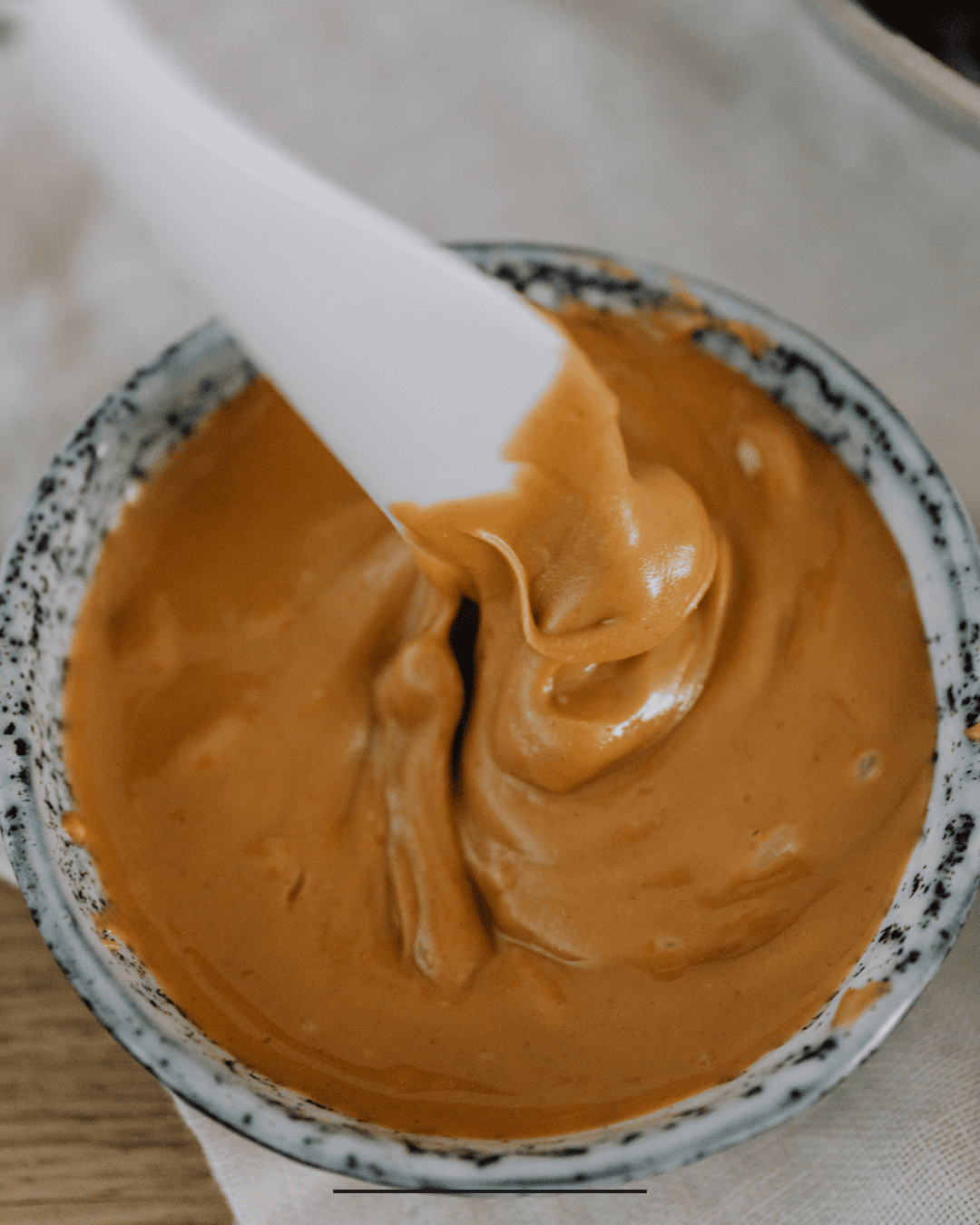
Among all the bold flavors their menu offers, the Buffalo Wild Wings Golden Fire Sauce stands out—it’s not just spicy, it has a rich, Carolina-style barbecue sweetness that takes your taste buds on a rollercoaster ride.
Table of Contents
How to make Buffalo Wild Wings Golden Fire Sauce
Buffalo Wild Wings Golden Fire Sauce is a wing sauce that combines a sweet and tangy Carolina Gold-style base with fiery chili heat.
Ingredients
- Yellow Mustard – ½ cup
- Apple Cider Vinegar – 2 tablespoons
- Honey – 2 tablespoons
- Brown Sugar – 1 tablespoon
- Crushed Red Pepper Flakes – ½ teaspoon
- Sriracha or Cayenne Pepper Sauce – 1 tablespoon
- Garlic Powder – ¼ teaspoon
- Smoked Paprika – ½ teaspoon
- Soy Sauce – ½ teaspoon
- Butter – 1 tablespoon (optional)
- Salt – To taste
- Water – 2 tablespoons
Instructions
- Prepare the Base: In a small saucepan, combine the yellow mustard, honey, and apple cider vinegar over low-medium heat. Stir continuously to avoid burning the mustard base.
- Add the Sweetness: Mix in the brown sugar and stir until it dissolves, creating a caramel-like glaze in the mustard mixture.
- Bring the Heat: Add the crushed red pepper flakes, sriracha or cayenne pepper sauce, garlic powder, and smoked paprika. Stir well to evenly distribute the spices throughout the sauce.
- Balance the Flavor: Add the soy sauce for umami depth and season with a small pinch of salt to taste.
- Optional Richness: If desired, stir in one tablespoon of butter to create a smoother texture while adding a slight creaminess to offset the heat.
- Adjust Consistency: Add 1-2 tablespoons of water to thin the sauce if it’s too thick for your liking. For a thicker glaze, let the sauce simmer until reduced slightly.
- Cool and Serve: Once the sauce reaches your desired consistency and flavor profile, remove it from heat and let it cool for 3-5 minutes. Pour it into a bowl or use it immediately to toss chicken wings, fries, or veggies.
Tips for Perfecting Golden Fire Sauce
- Balancing Sweetness and Spice: If the sauce is too spicy, add a touch more honey or sugar. If it’s too sweet for your taste, increase the amount of red pepper flakes or sriracha.
- Achieving Authentic Smoky Flavor: For a more authentic barbecue-style smokiness, try using a dash of liquid smoke instead of (or alongside) smoked paprika.
- Prep Ahead: The sauce keeps well in the fridge for up to a week in an airtight container. Make a batch ahead of time for quick weeknight wing dinners!
- Experiment with Heat Levels: If you like your sauce even hotter, consider adding chopped fresh chilies or extra cayenne pepper to intensify the flavor.
- Use High-Quality Ingredients: Using raw, high-quality honey and a good mustard makes a difference in how the sauce comes together, giving it a more authentic taste.
- Don’t Skip the Butter: The butter melds all the flavors together beautifully, so while it’s optional, it’s highly recommended for the best texture and taste.
What to serve with
Buffalo Wild Wings Golden Fire Sauce is an incredibly versatile blend of tangy, sweet, and spicy flavors. While it’s famously paired with wings, this sauce can elevate a variety of foods to new levels of deliciousness.
1. Classic and Signature Wings
- Chicken Wings: The traditional pairing! Toss crispy fried, baked, or air-fried chicken wings in Buffalo Wild Wings Golden Fire Sauce to recreate that restaurant-quality flavor at home. Serve with celery sticks and ranch or blue cheese dressing.
- Boneless Wings: Opt for juicy, breaded boneless wings if you’re looking for a heartier bite for dipping or tossing.
2. Chicken Tenders or Nuggets: For a kid-friendly option (or an adult indulgence), try serving Buffalo Wild Wings Golden Fire Sauce with crispy breaded chicken tenders or nuggets. Its bold flavors complement the crunch while acting as the perfect dipping sauce.
3. Burgers
- Grilled or Fried Burgers: Brush Buffalo Wild Wings Golden Fire Sauce on your burger patties as a glaze while grilling or drizzle it directly over the finished burger for a tangy, spicy kick.
- Pulled Chicken or Pulled Pork Sliders: Mix the Buffalo Wild Wings Golden Fire Sauce into shredded chicken or pork for slider sandwiches bursting with BBQ-inspired flavor. Add pickles or coleslaw for balance!
Ingredients Substitutes
One of the best things about homemade recipes is that they can be customized to fit your available ingredients, dietary needs, or flavor preferences.
1. Yellow Mustard
Why It’s Used: Yellow mustard is the base of Golden Fire Sauce, lending its signature bright color, tang, and sharp flavor.
Substitutes:
- Dijon Mustard: For a smoother, slightly more refined flavor, use Dijon mustard. Note that its taste is a bit milder and less vinegary than yellow mustard.
- Spicy Brown Mustard: Adds a bolder, spicier kick for a more complex flavor.
- Whole Grain Mustard: If you’re okay with a slightly thicker texture and a bit of crunch, this works well.
- Homemade Mustard: Combine mustard powder (1 teaspoon) with water and a splash of vinegar to create a quick mustard substitute.
2. Apple Cider Vinegar
Why It’s Used: Apple cider vinegar adds acidity to balance the sweetness and spice while giving the sauce its signature tang.
Substitutes:
- White Vinegar: With a similarly sharp acidity, white vinegar is a simple 1:1 substitute. However, it’s less fruity, so you may want to mix in ½ teaspoon of sugar or honey for balance.
- Lemon Juice: Use lemon juice (or lime juice) to provide acidity. It will change the flavour slightly but still complement the sauce’s tanginess.
- Rice Vinegar: A less aggressive alternative that works if you prefer a milder vinegar flavor.
- Balsamic Vinegar: For a sweeter and slightly darker tang, especially if you like a deep, rich taste.
3. Honey
Why It’s Used: Honey provides sweetness to complement the tang and counter the heat. It also thickens the sauce slightly.
Substitutes:
- Maple Syrup: A plant-based, vegan-friendly alternative with a similarly sweet flavor. It adds a little earthiness, so use sparingly.
- Brown Sugar Syrup: Dissolve brown sugar in water for a quick, affordable honey substitute. Use 1 tablespoon of the syrup for every 1 tablespoon of honey.
- Agave Nectar: An excellent vegan option with a similar sweetness to honey.
- White or Brown Sugar: If no liquid sweetener is available, use sugar, but increase the water slightly to achieve the proper consistency.
4. Brown Sugar
Why It’s Used: Brown sugar adds a rich caramel-like sweetness and helps build depth in flavor.
Substitutes:
- White Sugar + Molasses: If you have white sugar, mix 1 tablespoon of sugar with ½ teaspoon of molasses to replicate brown sugar’s slightly smoky, deep flavor.
- Coconut Sugar: A more natural alternative that works well if you want to avoid refined sugars.
- Maple Syrup or Honey: Add 1 extra teaspoon to replace the hints of molasses in brown sugar.
- Date Sugar/Paste: Perfect for natural sweetness with a similar richness.
5. Crushed Red Pepper Flakes
Why It’s Used: These give the sauce its dispersed, gentle heat as you bite into it.
Substitutes:
- Cayenne Pepper: A great alternative for uniform heat. Start with ¼ teaspoon and adjust to taste because cayenne can be spicier.
- Chili Powder: A milder option that blends heat with some earthy flavor.
- Chopped Fresh Chili: Finely minced chilies like jalapeños or red Thai chilies add more freshness and heat.
- Paprika (Hot or Smoked): Adds color, smokiness, and mild heat if needed.
6. Sriracha or Cayenne Pepper Sauce
Why It’s Used: Sriracha or cayenne pepper sauce is one of the primary sources of heat and also adds that slight tangy vinegar flavor.
Substitutes:
- Other Hot Sauces: Tabasco, Frank’s RedHot, or Cholula are excellent replacements. These may have slightly different flavor profiles (e.g., Tabasco is more tangy, Frank’s is milder and buttery), but they’ll still work.
- Homemade Chili Sauce: Blend red chilies, garlic, vinegar, and a pinch of sugar into a thick paste as an alternative.
- Harissa: This North African chili paste adds heat and complexity but can be stronger, so use sparingly.
7. Garlic Powder
Why It’s Used: Garlic powder provides a savory backbone and enhances the sauce’s overall flavor.
Substitutes:
- Fresh Garlic: Use 2 cloves of minced garlic for every ¼ teaspoon of garlic powder. Cook it lightly in the saucepan to mellow its raw flavor.
- Onion Powder: Gives a similar savory vibe if garlic isn’t available.
- Garlic Paste: A great 1:1 replacement, but you’ll need to sauté it a bit to prevent an overly raw flavor.
8. Smoked Paprika
Why It’s Used: Smoked paprika contributes smokiness and depth to balance the sauce’s sweetness.
Substitutes:
- Regular Paprika: Lacks the smokiness but gives you the bright color and mild peppery flavor.
- Chipotle Powder: Chipotle powder delivers both smokiness and heat, making it an excellent substitution. Use sparingly to avoid overwhelming the sauce.
- Liquid Smoke: If you need smokiness without paprika, 1–2 drops of liquid smoke work wonders for replicating smoked flavors.
9. Soy Sauce
Why It’s Used: Soy sauce contributes umami depth and a hint of saltiness to round out the flavors.
Substitutes:
- Worcestershire Sauce: A swap that adds umami while bringing slightly tangy and savory notes. Use in the same amount.
- Tamari (Gluten-Free): Offers the same umami flavor as soy sauce and is perfect for those avoiding gluten.
- Coconut Aminos: A soy-free, gluten-free alternative with a slightly sweeter profile. Adjust by reducing other sweeteners slightly.
- Miso Paste: Mix ½ teaspoon miso with 1 teaspoon water to create a soy sauce substitute for similar umami notes.
10. Butter
Why It’s Used: Butter smoothens the texture of the sauce, lends richness, and mellows the sharpness of spices.
Substitutes:
- Vegan Butter: A plant-based alternative for dairy-free diets.
- Ghee: Clarified butter that adds richness without milk solids (great for cooking or reheating).
- Olive Oil: While it won’t add creaminess, it’s a simple alternative for smoothing out the sauce.
Final Thoughts
This Buffalo Wild Wings Golden Fire Sauce recipe gives you the flexibility to adjust the flavors to suit your preferences.
More Buffalo Wild Wings Recipes:
Ingredients
- Yellow Mustard - ½ cup
- Apple Cider Vinegar - 2 tablespoons
- Honey - 2 tablespoons
- Brown Sugar - 1 tablespoon
- Crushed Red Pepper Flakes - ½ teaspoon
- Sriracha - 1 tablespoon
- Garlic Powder - ¼ teaspoon
- Smoked Paprika - ½ teaspoon
- Soy Sauce - ½ teaspoon
- Butter - 1 tablespoon (optional)
- Salt - To taste
- Water - 2 tablespoons
Instructions
- Prepare the Base: In a small saucepan, combine the yellow mustard, honey, and apple cider vinegar over low-medium heat. Stir continuously to avoid burning the mustard base.
- Add the Sweetness: Mix in the brown sugar and stir until it dissolves, creating a caramel-like glaze in the mustard mixture.
- Bring the Heat: Add the crushed red pepper flakes, sriracha or cayenne pepper sauce, garlic powder, and smoked paprika. Stir well to evenly distribute the spices throughout the sauce.
- Balance the Flavor: Add the soy sauce for umami depth and season with a small pinch of salt to taste.
- Optional Richness: If desired, stir in one tablespoon of butter to create a smoother texture while adding a slight creaminess to offset the heat.
- Adjust Consistency: Add 1-2 tablespoons of water to thin the sauce if it's too thick for your liking. For a thicker glaze, let the sauce simmer until reduced slightly.
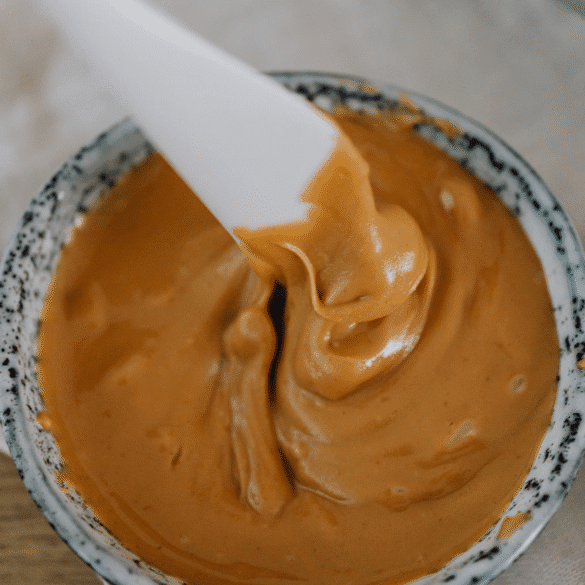
- Cool and Serve: Once the sauce reaches your desired consistency and flavor profile, remove it from heat and let it cool for 3-5 minutes. Pour it into a bowl or use it immediately to toss chicken wings, fries, or veggies.
