What’s special about their approach is the balance they strike between tradition and creativity. From the foolproof, no-fuss recipes perfect for beginners to exciting twists featuring smoky jalapeños or spiced red wine, Serious Eats Cranberry Sauce offers something for every palate.
Table of Contents
How to make Serious Eats Cranberry Sauce
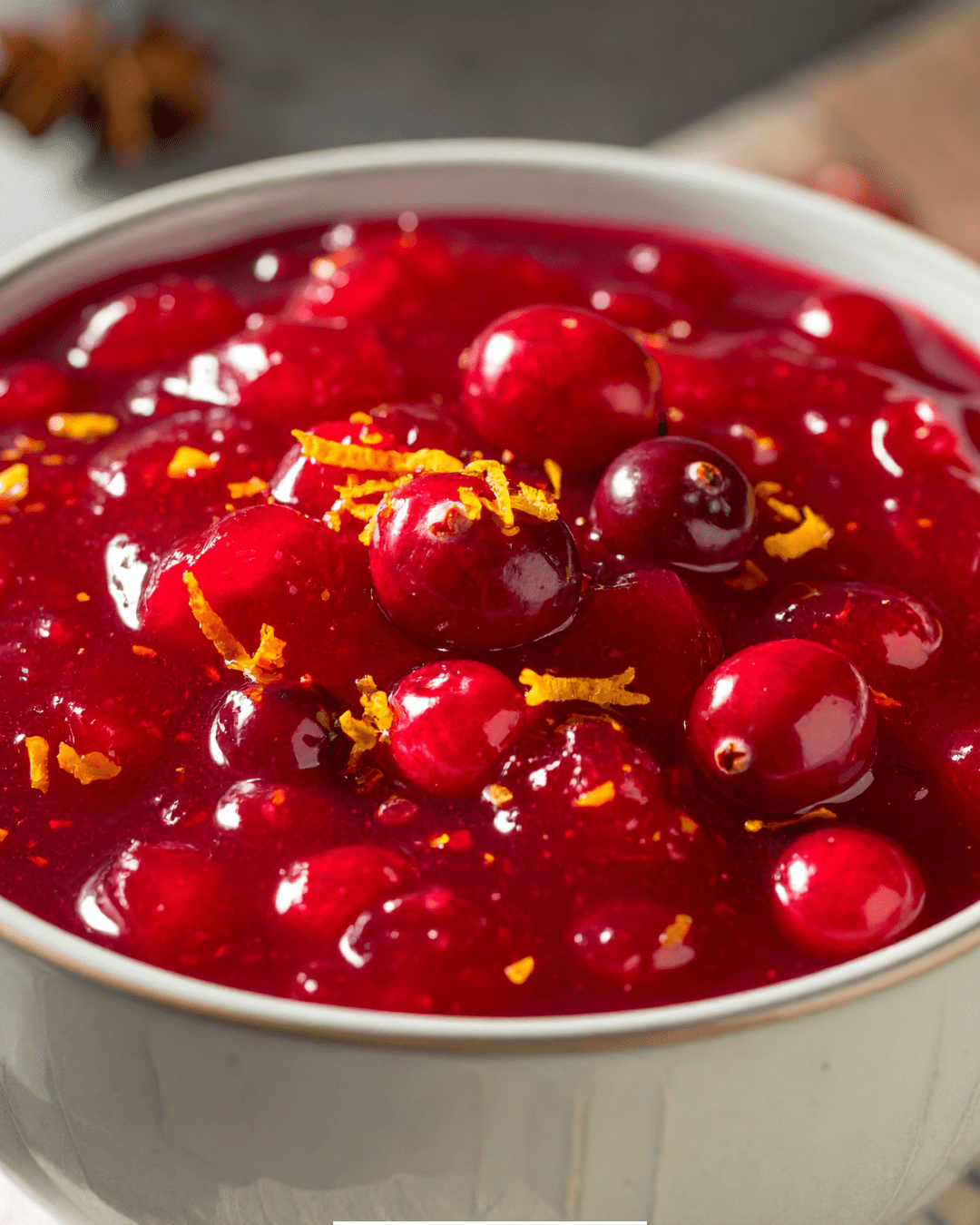
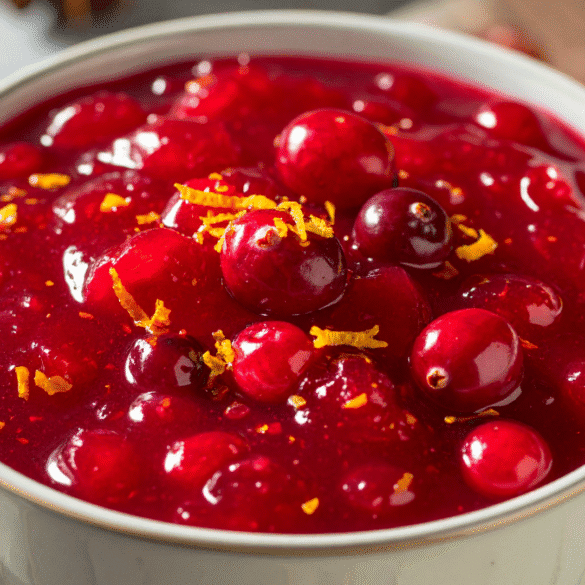
Serious Eats Cranberry Sauce is a simple, homemade cranberry condiment created by the food website Serious Eats. It’s made by cooking cranberries with sugar, water, and optional flavorings (like orange zest or spices) until the berries burst and form a thick, jam-like sauce.
Ingredients
- 12 ounces (about 3 cups) fresh or frozen cranberries
- 1 cup granulated sugar
- 1 cup water
- Zest of 1 orange or lemon for a citrusy zip (great for brightening the flavor).
- 1 cinnamon stick or a pinch of ground cinnamon for warmth.
- ½ teaspoon vanilla extract added at the end for depth.
- ¼ teaspoon ground ginger or grated fresh ginger for a spicy kick.
- ¼ cup dark brown sugar as a substitute or addition to white sugar for a richer, molasses-y taste.
Instructions
Making Serious Eats Cranberry Sauce is one of the easiest cooking tasks you’ll do in your Thanksgiving prep. It’s quick, and the results are always rewarding. Here’s how to make it:
- Prepare the cranberries: Rinse the cranberries (if fresh) under cold water and discard any mushy or overripe ones.
- Combine ingredients: In a medium saucepan, combine the cranberries, sugar, and water (or your liquid of choice). Stir to dissolve the sugar.
- Simmer the mixture: Place the saucepan over medium heat. Bring the mixture to a boil, stirring occasionally. Once it starts boiling, reduce the heat to low and let it simmer.
- Watch for the cranberries to pop: As the cranberries cook, they’ll begin to soften and burst (around 5–10 minutes). Gently stir occasionally to prevent sticking.
- Thicken the sauce: When most of the cranberries have burst, and the mixture has thickened (about 12–15 minutes), remove it from the heat. Add any finishing ingredients like orange zest, cinnamon, or vanilla extract now.
- Cool and serve: Let the cranberry sauce cool at room temperature before serving. It will continue to thicken as it cools. You can serve it warm, at room temperature, or chilled, depending on your preference.
Tips and Tricks for the Best Cranberry Sauce
- Play with the sweetness level: If you prefer a less sweet sauce, reduce the sugar slightly. Taste as you go—you can always add a little more sugar at the end if needed.
- Swap out the liquids: Water is the simplest option, but swapping it for orange juice, apple cider, or even red wine adds incredible flavor depth.
- Experiment with bold flavors: Serious Eats encourages creativity. Add smoky jalapeños and lime for a spicy twist, or try spiced cranberry sauce with warm holiday spices like cinnamon, cloves, or nutmeg.
- Use a blender for a smoother sauce: Prefer a sauce without cranberry chunks? Blend the finished sauce for a smooth, jelly-like texture.
- Make it ahead of time: Serious Eats Cranberry Sauce is one of the easiest sides to prepare in advance. It can be made up to a week before serving when stored in an airtight container in the fridge. The flavors even deepen over time!
- Double the recipe if needed: Leftover cranberry sauce is a dream—use it in sandwiches, on top of pancakes, or even swirled into yogurt.
What to serve with
Serious Eats Cranberry Sauce is one of the most versatile side dishes in any holiday spread, offering a tart, sweet, and vibrant contrast to savory foods. While it shines most during Thanksgiving and Christmas feasts, it has plenty of other uses outside of traditional holiday meals.
1. Roast Turkey: The quintessential pairing for Serious Eats Cranberry Sauce. Its sweet and tangy flavors perfectly balance the rich, savory meatiness of roasted turkey.
2. Roast Chicken or Cornish Hens: If you’re skipping the turkey but still serving poultry, cranberry sauce pairs just as well with roast chicken, Cornish hens, or duck. It adds brightness to hearty poultry dishes.
3. Ham: The sweetness of cranberry sauce works exceptionally well with the salty, smoky flavors of roast ham. It’s an excellent choice if you’re looking for something to complement both cured and glazed hams.
4. Stuffing (or Dressing): Cranberry sauce offers a welcome contrast to the savory richness of stuffing. Whether it’s a sausage stuffing or a vegetarian version loaded with herbs and bread, cranberry sauce adds acidity and freshness.
5. Mashed Potatoes: Scoop a little cranberry sauce alongside your creamy mashed potatoes for a sweet-tart touch to balance the buttery richness.
6. Roast Pork: Cranberry sauce isn’t just for poultry; it also pairs wonderfully with roast pork tenderloin, chops, or a pork loin roast. The tart cranberries cut through the natural fattiness of pork, creating a fantastic balance.
Ingredients Substitutes
Serious Eats’ cranberry sauce is beloved for its simplicity and versatility, but what happens if you’re missing an ingredient or want to tweak things to suit your taste? The beauty of cranberry sauce is that it lends itself well to substitutes and creative improvisations.
Substitutes for Cranberries
The star of cranberry sauce is (of course) cranberries, but there are some surprising swaps to consider if cranberries aren’t available or you’re looking for a different flavor profile.
1. Frozen Cranberries Instead of Fresh: Serious Eats often recommends frozen cranberries as an easy substitute for fresh ones. Since fresh cranberries are seasonal, frozen cranberries can be used year-round without any need for defrosting before cooking.
2. Dried Cranberries: If you only have dried cranberries on hand, you can rehydrate them to make a sauce. Soak them in hot water or apple juice for 15–20 minutes before cooking. Note that this will create a sweeter sauce, so reduce the sugar in the recipe accordingly.
Liquid Substitutes
Water is the default liquid base in Serious Eats’ classic cranberry sauce recipe, but you can enhance the flavor by swapping it out for other options:
1. Orange Juice: Orange juice is a popular upgrade, adding a bright citrusy note to the sauce. This works particularly well if you’re also adding orange zest for extra flavor.
2. Apple Cider: Unsweetened apple cider adds a subtle sweetness and depth to cranberry sauce, making it feel more autumnal.
3. Red or White Wine: A splash of wine (usually red, such as a Merlot or Pinot Noir) adds richness and complexity. For those who prefer lighter flavors, white wine works too. Boil off the alcohol during the cooking process to retain the flavor without the punch.
4. Coconut Water: For a subtle tropical note, use unsweetened coconut water as the liquid base. This works well if you’re experimenting with bold flavors like lime, ginger, or jalapeño.
5. Tea: Brewing a flavorful tea, such as hibiscus, green tea, or chai, can serve as the liquid base for a unique cranberry sauce.
Sugar Substitutes
The recipe traditionally calls for granulated sugar to balance the cranberries’ tartness. If you’re trying to avoid refined sugar or want an alternative, consider these substitutes:
1. Brown Sugar: This adds a molasses-like richness to the sauce. Its deeper flavor complements spiced or citrusy versions of cranberry sauce.
2. Honey: Honey provides natural sweetness and pairs beautifully with tart cranberries. Note that honey has a distinct flavor, so use it sparingly if you want the sauce to stay “neutral.”
3. Maple Syrup: Maple syrup adds a warm, earthy sweetness that complements traditional Thanksgiving flavors. Try pairing it with cinnamon or nutmeg for a cozy vibe.
4. Agave Nectar: A vegan-friendly alternative to honey, agave nectar is milder in taste and works well in cranberry sauce recipes.
5. Coconut Sugar: This unrefined sugar has a subtle caramel flavor that adds depth without being overpowering.
6. Apple Sauce or Mashed Bananas: If you’re avoiding added sugar entirely, try sweetening your cranberry sauce with unsweetened apple sauce or mashed ripe bananas. They’ll add sweetness along with some natural thickness.
7. Artificial Sweeteners: For a sugar-free option, use stevia, monk fruit sweetener, or erythritol. Be mindful of their potency, as they may require less quantity than granulated sugar.
Spice Substitutes
Serious Eats recipes often feature optional spices like cinnamon, ginger, or vanilla extract. Here are ways to substitute or enhance these flavors:
1. Cinnamon Alternatives: Nutmeg, clove, or allspice can replicate the warming notes of cinnamon, though they tend to be stronger, so use sparingly.
2. Fresh Ginger vs. Ground Ginger: Both can be used interchangeably, though fresh ginger provides a brighter zing, while ground ginger gives a deeper, warm flavor.
3. Vanilla Extract Substitutes: Vanilla paste or the seeds from a vanilla bean can replace extracts.
4. Pumpkin Spice Blend: If you have pumpkin pie spice on hand, use it as a one-stop mix for cinnamon, nutmeg, and other warming spices.
Final Thoughts
Serious Eats cranberry sauce is a must-have for your holiday table, but its uses extend far beyond turkey. From cheese boards and sandwiches to breakfast spreads and desserts, cranberry sauce adds a unique tang and color to nearly any dish.
More Sauce Recipes:
- Copycat Alton Brown Turkey Gravy Recipe
- Costco Kevin’s Gravy Recipe
- Homemade Trader Joe’s Cranberry Sauce Recipe
- Copycat Trader Joe’s Turkey Gravy Recipe
Ingredients
- 12 ounces (about 3 cups) fresh
- 1 cup granulated sugar
- 1 cup water
- Zest of 1 orange
- 1 cinnamon stick
- ½ teaspoon vanilla extract
- ¼ teaspoon ground ginger
- ¼ cup dark brown sugar as a substitute
Instructions
- Prepare the cranberries: Rinse the cranberries (if fresh) under cold water and discard any mushy or overripe ones.
- Combine ingredients: In a medium saucepan, combine the cranberries, sugar, and water (or your liquid of choice). Stir to dissolve the sugar.
- Simmer the mixture: Place the saucepan over medium heat. Bring the mixture to a boil, stirring occasionally. Once it starts boiling, reduce the heat to low and let it simmer.
- Watch for the cranberries to pop: As the cranberries cook, they’ll begin to soften and burst (around 5–10 minutes). Gently stir occasionally to prevent sticking.
- Thicken the sauce: When most of the cranberries have burst, and the mixture has thickened (about 12–15 minutes), remove it from the heat. Add any finishing ingredients like orange zest, cinnamon, or vanilla extract now.
- Cool and serve: Let the cranberry sauce cool at room temperature before serving. It will continue to thicken as it cools. You can serve it warm, at room temperature, or chilled, depending on your preference.
