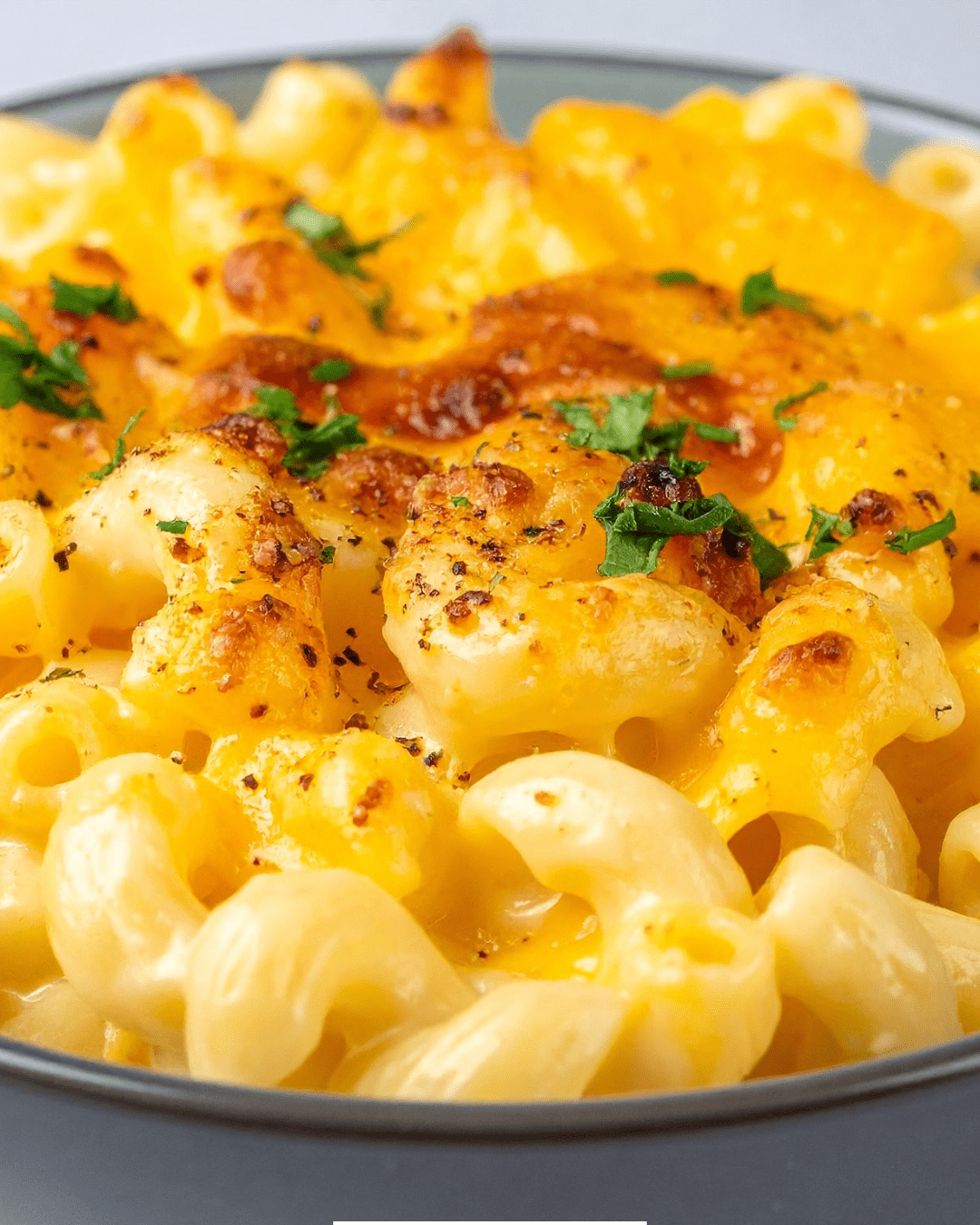
What sets this Serious Eats Mac and Cheese recipe apart is its science-backed approach to creating the creamiest, silkiest cheese sauce imaginable. No grainy results, no clumpy cheese—just pure, velvety perfection.
Table of Contents
How to make Serious Eats Mac and Cheese
Serious Eats Mac and Cheese is a scientifically tested macaroni-and-cheese recipe from the food site Serious Eats, designed to be extra creamy, smooth, and easy to make.
Ingredients (Serves 4-6)
- 1 pound of elbow macaroni (or substitute with shells, cavatappi, or other pasta shapes).
- Shredded Cheese: 8 ounces of sharp cheddar cheese, shredded (aged cheddar works best for bold flavor).
- 4 ounces of American cheese (processed cheese like Velveeta works well).
- Evaporated Milk: 1 cup of evaporated milk.
- Butter: 2 tablespoons unsalted butter.
- Egg: 1 large egg yolk (optional, but adds richness).
- Cornstarch: 1 teaspoon of cornstarch.
- Spices (optional): 1 teaspoon mustard powder (adds depth and tanginess).
- 1/4 teaspoon garlic powder.
- A pinch of cayenne pepper (for subtle heat and flavor).
- Salt and freshly cracked black pepper to taste.
Instructions
Follow these steps to make your mac and cheese as creamy and flavorful as possible:
Step 1: Cook the Pasta
- Bring a large pot of salted water to a boil. Add the pasta and cook until al dente according to the package instructions.
- Reserve about half a cup of pasta water, then drain the pasta and set it aside.
Step 2: Make the Creamy Cheese Sauce
- Create a slurry: In a small bowl, whisk the cornstarch with the evaporated milk until smooth. If using an egg yolk, whisk it into the mixture as well.
- Start melting the butter: In a medium saucepan, melt the butter over medium-low heat. Slowly pour in the evaporated milk-cornstarch mixture, whisking constantly to avoid any lumps.
- Add the spices: Stir in the mustard powder, garlic powder, cayenne pepper, and a pinch of salt. This step enhances the flavor.
- Add the cheese: Once the milk is warm (but not boiling), start adding the shredded cheddar cheese and American cheese in small handfuls. Stir continuously until melted and smooth.
- Adjust consistency: If the sauce feels too thick, stir in a splash of the reserved pasta water to loosen it up. Keep cooking and stirring until it’s silky and creamy.
Step 3: Combine Pasta and Sauce
- Once the sauce is ready, toss the cooked pasta directly into the saucepan. Stir until every piece of pasta is coated in cheese sauce.
- Taste and adjust seasoning as needed (add more salt or pepper based on your preference).
Tips for Success
- Choose the Right Cheese: Avoid pre-shredded cheese as it often contains anti-caking agents, which can result in a grainy sauce. Shredding your own cheese is key to a smooth texture.
- Don’t Rush the Sauce: Keep the heat low to medium while making the sauce. Overheating can cause the cheese to separate and the sauce to curdle.
- Experiment with Flavors: Want to mix it up? Try adding smoked paprika for a smoky twist or Gruyère for a nutty flavor. You can even stir in cooked bacon or caramelized onions for an indulgent touch.
- Control the Thickness: If the sauce is too thick, adjust with pasta water or a small splash of milk. If it’s too thin, simmer it slightly until it thickens.
- Serve Immediately: Stovetop mac and cheese is best eaten fresh while the sauce is warm and velvety. It tends to thicken as it sits, so serve it right away!
What to serve with
Serious Eats Mac and Cheese is an incredibly comforting and indulgent dish on its own, but pairing it with complementary sides, proteins, and toppings can elevate your meal from simple to spectacular.
1. Roasted Vegetables
Try roasted broccoli, cauliflower, or Brussels sprouts tossed with olive oil, garlic, and salt. A squeeze of lemon after roasting adds brightness.
Why: Roasting caramelizes the vegetables, creating a slightly sweet, nutty flavor that complements the sharpness of the Serious Eats Mac and Cheese.
2. Simple Green Salad
Toss together a salad with mixed greens, cucumber, cherry tomatoes, and a light vinaigrette.
Why: The refreshing crunch and acidity of the salad delivers contrast to the creamy texture of the Serious Eats Mac and Cheese.
Optional: Add toppings like candied walnuts or dried cranberries for more flavor.
3. Grilled or Sautéed Asparagus
Sauté asparagus with olive oil and finish with a sprinkle of Parmesan cheese or a drizzle of balsamic glaze.
Why: Asparagus offers earthy flavors that pair beautifully with the richness of the cheese sauce.
4. Coleslaw
Go for a tangy, vinegar-based coleslaw rather than a creamy version.
Why: The acidic dressing cuts through the richness of the mac and cheese, refreshing your palate.
Ingredients Substitutes
If you’re planning to make Serious Eats Mac and Cheese but don’t have all the ingredients on hand (or want to cater to dietary needs, preferences, or get creative), you can swap some components without compromising too much on flavor or texture.
Substitutes for Pasta
Pasta is the heart of mac and cheese, but you’re not limited to elbow macaroni. You can use other shapes or even alternative grains.
1. Alternative Pasta Shapes
Shells, cavatappi, gemelli, fusilli, or farfalle are excellent options.
Why: Pasta shapes with grooves or curves help hold and trap the creamy cheese sauce better.
2. Whole Wheat Pasta
Swap regular pasta for whole wheat pasta.
Why: It adds a nutty flavor and a slightly firm texture. Plus, it’s a healthier alternative.
3. Gluten-Free Pasta
Use gluten-free pasta made from lentils, chickpeas, or rice.
Why: Perfect for anyone following a gluten-free diet. Look for sturdier options to prevent mushy results.
4. Alternative Grains
Try cooked quinoa, couscous, or rice as a substitute for pasta.
Why: While unconventional, these grains can work for a lighter or gluten-free mac and cheese.
Substitutes for Cheese
Cheese is the star of mac and cheese, but there are plenty of options depending on availability or taste preference.
1. Cheddar Cheese Substitutes
- Gruyère: Nutty and creamy, Gruyère can replace sharp cheddar perfectly.
- Swiss cheese: A milder option but still melts well.
- Colby or Colby-Jack: Slightly sweeter and softer than cheddar but similar in texture.
- Monterey Jack: A mild cheese that melts beautifully.
2. American Cheese Substitutes
- Cream Cheese: Adds a creamy texture, but use sparingly to avoid overpowering the flavor.
- Processed Cheese: Velveeta or other melting cheeses work if you can’t find deli-style American cheese.
- Mozzarella and Provolone: Mild, creamy substitutes, though less sharp than American cheese.
3. Vegan Cheese Alternatives
Use store-bought vegan cheddar or cashew-based cheese alternatives.
Why: Perfect for dairy-free or vegan diets. Look for brands that melt well to mimic the creamy texture of traditional cheese.
4. Creative Cheese Blends
Combine Parmesan, Havarti, Fontina, or Brie for unique, indulgent flavors.
Why: Mixing different cheeses creates layers of richness and complexity.
Substitutes for Evaporated Milk
Evaporated milk is key for a creamy, stable sauce, but if you don’t have it, there are alternatives.
1. Heavy Cream
Replace evaporated milk with an equal amount of heavy cream.
Why: Creates an equally rich and creamy texture for the sauce.
2. Whole Milk
Use whole milk mixed with 1-2 tablespoons of cornstarch or flour to thicken it.
Why: Simulates the viscosity of evaporated milk but requires a stabilizer for the sauce.
3. Half-and-Half
Substituting half-and-half adds creaminess closer to evaporated milk.
Why: A thinner option than cream but richer than milk, creating a balanced sauce.
4. Non-Dairy Milks
Use unsweetened almond milk, soy milk, or cashew milk for a dairy-free alternative.
Why: Pair with vegan cheese alternatives to keep it creamy. Avoid coconut milk, as its flavor is too sweet and distinct.
5. DIY Evaporated Milk
Simmer whole milk or skim milk until reduced by half.
Why: This mimics evaporated milk in thickness and concentration.
Substitutes for Butter
Butter is important for richness, but there are ways to work around it.
1. Plant-Based Butter
Use vegan butter or margarine for dairy-free diets.
Why: Provides a similar creamy texture and flavor.
2. Olive Oil
Replace butter with olive oil (about 1 tbsp less than the recipe calls for).
Why: It adds a slightly fruity flavor to the sauce.
3. Coconut Oil
Use unrefined coconut oil for a dairy-free alternative.
Why: Adds creaminess but may impart a subtle coconut flavor.
4. Ghee
Substitute ghee (clarified butter) for regular butter.
Why: Adds richness with a slightly caramelized flavor.
Substitutes for Cornstarch
Cornstarch acts as a stabilizer to prevent the sauce from splitting, but there are other thickening agents you can use.
1. All-Purpose Flour
Replace cornstarch with an equal amount of flour. Cook into a roux with butter for proper thickening.
Why: Creates a stable, thick sauce, though it requires extra cooking.
2. Arrowroot Powder or Potato Starch
Replace cornstarch with arrowroot or potato starch in equal amounts.
Why: Both work well for thickening without impacting the flavor.
3. Tapioca Starch
Use tapioca starch as a direct substitute.
Why: It creates a smooth sauce similar to cornstarch.
Final Thoughts
By thoughtfully pairing Serious Eats Mac and Cheese with the right sides, proteins, and garnishes, you can turn a humble dish into an unforgettable dining experience!
More Mac and Cheese Recipes:
- Sam’s Club Mac and Cheese Recipe
- Whole Foods Mac and Cheese Recipe
- Kraft Mac and Cheese Apple Pie Recipe
- Copycat Costco Lobster Mac and Cheese Recipe
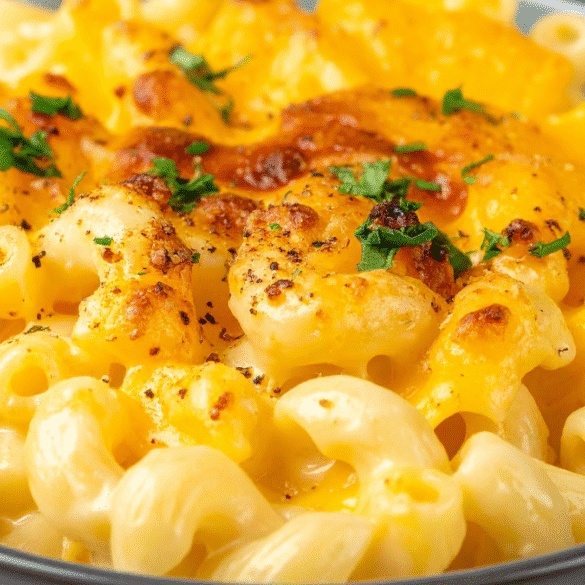
Ingredients
- 1 pound of elbow macaroni
- Shredded Cheese: 8 ounces
- 4 ounces of American cheese
- Evaporated Milk: 1 cup of evaporated milk.
- Butter: 2 tablespoons unsalted butter.
- Egg: 1 large egg yolk
- Cornstarch: 1 teaspoon of cornstarch.
- Spices (optional): 1 teaspoon mustard powder
- 1/4 teaspoon garlic powder.
- A pinch of cayenne pepper
- Salt and freshly cracked black pepper
Instructions
Step 1: Cook the Pasta
- Bring a large pot of salted water to a boil. Add the pasta and cook until al dente according to the package instructions.
- Reserve about half a cup of pasta water, then drain the pasta and set it aside.
Step 2: Make the Creamy Cheese Sauce
- Create a slurry: In a small bowl, whisk the cornstarch with the evaporated milk until smooth. If using an egg yolk, whisk it into the mixture as well.
- Start melting the butter: In a medium saucepan, melt the butter over medium-low heat. Slowly pour in the evaporated milk-cornstarch mixture, whisking constantly to avoid any lumps.
- Add the spices: Stir in the mustard powder, garlic powder, cayenne pepper, and a pinch of salt. This step enhances the flavor.
- Add the cheese: Once the milk is warm (but not boiling), start adding the shredded cheddar cheese and American cheese in small handfuls. Stir continuously until melted and smooth.
- Adjust consistency: If the sauce feels too thick, stir in a splash of the reserved pasta water to loosen it up. Keep cooking and stirring until it’s silky and creamy.
Step 3: Combine Pasta and Sauce
- Once the sauce is ready, toss the cooked pasta directly into the saucepan. Stir until every piece of pasta is coated in cheese sauce.
- Taste and adjust seasoning as needed (add more salt or pepper based on your preference).
