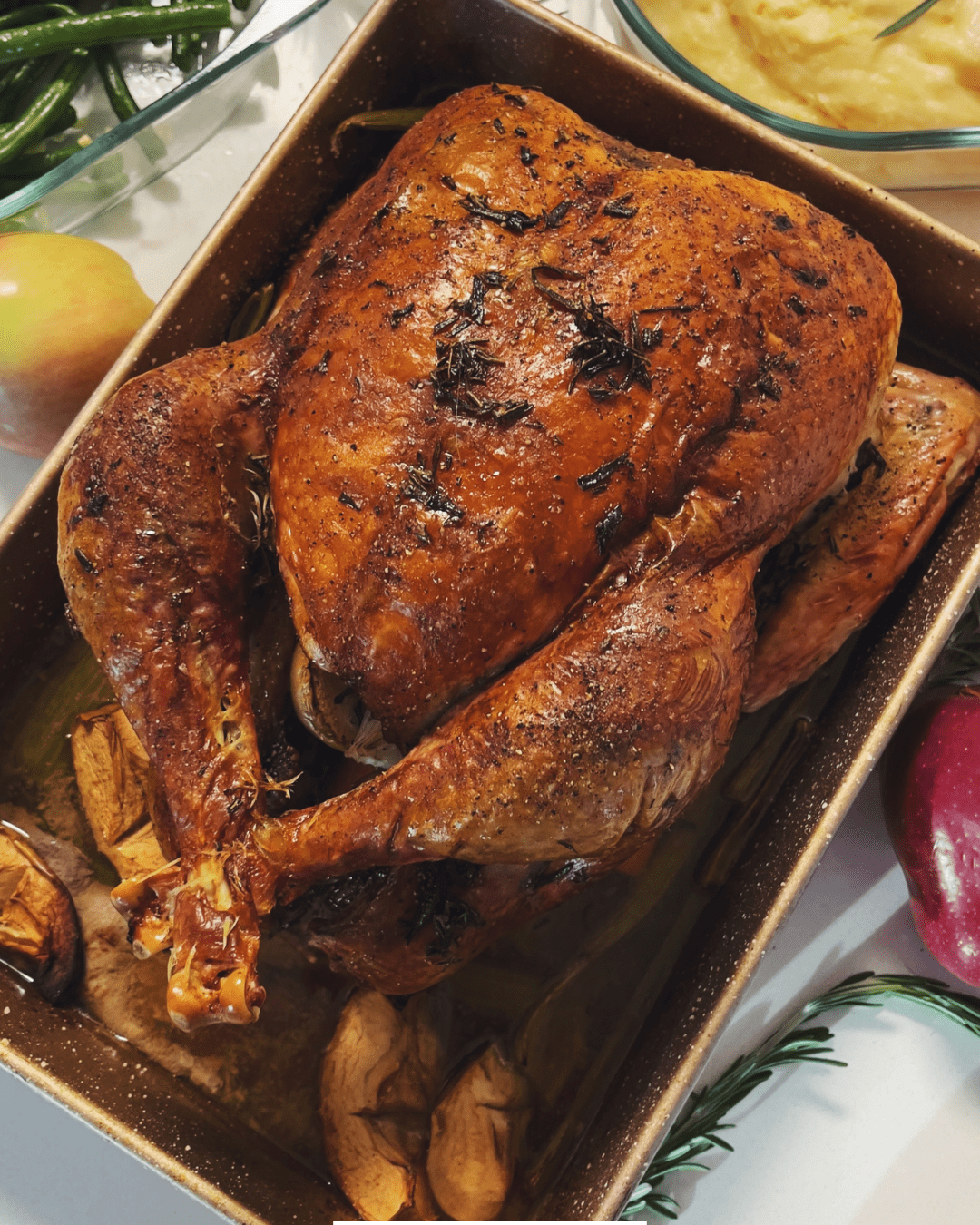
When I first discovered this method, I was skeptical. Could simply sprinkling salt on the turkey really make such a dramatic difference? Well, after testing it, I’m here to tell you it does! The Serious Eats Dry Brine Turkey method not only simplifies the prep but guarantees results that will leave everyone at the table asking for seconds (or thirds). So, roll up your sleeves and get ready to transform your holiday meals—because once you try this recipe, you’ll never look back!
Table of Contents
How to make Serious Eats Dry Brine Turkey
Serious Eats Dry Brine Turkey is a turkey that’s seasoned with salt (and optional herbs or spices) and left to rest in the refrigerator for one to several days without using any liquid brine.
Ingredients
The beauty of a dry brine lies in its simplicity – you don’t need tons of ingredients, and you avoid the hassle of large pots of brining liquid.
For the Brine:
- Kosher salt (about 1 tablespoon per every 5 pounds of turkey)
- Optional: Sugar (1 teaspoon per every 5 pounds of turkey, for added caramelization and flavor)
- Optional spices and aromatics:
- Black pepper
- Paprika
- Garlic powder
- Thyme or rosemary (finely chopped)
- Citrus zest (lemon or orange zest can brighten the flavor)
- A whole turkey, thawed (preferably fresh or properly thawed from frozen)
- Butter for coating
- Optional: Aromatics for stuffing (e.g., onions, garlic, apples, or herbs)
Instructions
Follow these steps to get the juiciest turkey with a perfectly balanced flavor:
1. Start with a fresh or fully thawed turkey. Make sure to remove the giblets and neck from the cavity and pat the bird dry with paper towels.
2. In a small bowl, mix the kosher salt with any optional sugar and spices you’d like to use. Serious Eats advocates for keeping things simple with just salt, but if you’re feeling adventurous, experiment with spice blends to complement your holiday menu.
3. Generously rub the salt mixture all over the turkey. Focus on the breast, legs, thighs, and don’t forget inside the cavity. You want every part of the bird to be evenly seasoned.
4. Place the turkey on a wire rack set inside a rimmed baking sheet. This allows air to circulate and prevents the turkey from sitting in its own juices. Refrigerate the uncovered turkey for 24-72 hours to let the brine work its magic.
Why? The salt will draw moisture out of the turkey, forming a natural brine. This brine is reabsorbed, enhancing flavor and helping your turkey retain moisture during cooking.
5. Before cooking, take the turkey out of the fridge and let it sit at room temperature for about 1 hour. This ensures even cooking. If you prefer a more golden bird, you can lightly coat the skin with butter or an oil mixture. Stuff the cavity with aromatics like onions, apples, garlic, or herbs to give your turkey a fragrant flavor.
6. Roast Your Turkey: Follow your preferred roasting method. Serious Eats recommends roasting at 450°F (232°C) for the first 30 minutes, then lowering the oven temperature to 325°F (163°C) until the turkey reaches an internal temperature of 165°F (74°C) in the thickest part of the meat (like the breast or thigh). Use a good thermometer for accuracy! Alternatively, you can try spatchcocking your turkey to flatten it out—this speeds up cooking and ensures every part of the bird roasts evenly.
7. Let It Rest: Once the turkey comes out of the oven, resist the urge to cut into it immediately! Let it rest for 20-30 minutes; this allows the juices to redistribute throughout the meat instead of spilling out.
Tips for Success
Here are some extra pointers to help you nail the Serious Eats Dry Brine Turkey method:
1. Give It Time: Plan ahead! The dry brine needs at least 24 hours to work. For maximum flavor, let the turkey rest in the fridge for 2-3 days.
2. Use Kosher Salt: Stick with a coarse kosher salt, like Diamond Crystal, for better control of seasoning. Avoid using fine table salt—it’s too concentrated and could make your turkey overly salty.
3. Elevate Your Turkey: Keep the turkey elevated on a wire rack when brining and roasting. This helps air circulate evenly, allowing the skin to crisp up beautifully.
4. Don’t Skip the Thermometer: The internal temperature of the turkey is crucial. A meat thermometer ensures you don’t overcook or undercook the bird. Remember, 165°F is the safe temperature for poultry.
5. Customize the Recipe: Serious Eats emphasizes simplicity, but don’t be afraid to personalize! Add herbs, zest, or spices to suit your taste.
What to serve with
The Serious Eats Dry Brine Turkey is a showstopper, so it’s only fitting to pair this masterpiece with sides and accompaniments that enhance its flavor and complete the meal.
1. Creamy Mashed Potatoes: You can’t have Serious Eats Dry Brine Turkey without mashed potatoes! The fluffy, buttery texture of mashed potatoes acts as the perfect companion to turkey and gravy.
2. Turkey Gravy: Gravy is essential for tying your meal together. Since your dry-brined turkey yields a richly flavored pan drippings, use those juices to create a homemade gravy that complements the turkey’s seasoning.
3. Traditional Stuffing (or Dressing): Stuffing is another holiday staple that pairs incredibly well with turkey. You can prepare either classic bread stuffing or branch out with variations featuring sausage, apples, and nuts, depending on your flavor preferences.
Ingredients Substitutes
The Serious Eats Dry Brine Turkey recipe is straightforward, but what happens if you don’t have every ingredient on hand or need to tailor the recipe to specific dietary restrictions or flavor preferences? Don’t worry—there are plenty of simple substitutions you can make that won’t compromise the taste or overall outcome of your turkey.
Kosher Salt Substitutes
Kosher salt is the cornerstone of any dry brine, as it’s coarse and sticks easily to the turkey’s surface. However, if you don’t have kosher salt, you can make the following swaps:
1. Table Salt: You can use table salt in place of kosher salt, but it’s more potent due to its finer grain size. Use half as much table salt as you would kosher salt.
2. Sea Salt: Sea salt works well as a replacement for kosher salt, especially coarse varieties. However, its texture varies from brand to brand, so adjust quantities to avoid over-salting. Measure it similarly to kosher salt or slightly less if using very fine granules.
3. Himalayan Pink Salt: Himalayan pink salt can also be used in equal amounts to kosher salt for brining. Though it has a slightly mineral-like flavor, it complements poultry well.
Sugar Substitutes
Sugar isn’t mandatory for a dry brine, but it adds subtle sweetness and enhances skin browning when roasting. If you’re out of sugar or want alternatives, here’s what you can use:
1. Brown Sugar: Brown sugar adds depth, thanks to its molasses content, and works wonderfully in place of granulated sugar. Use it in an equal 1:1 ratio.
2. Honey or Maple Syrup (For liquid alternatives): If you don’t have granulated sugar, try brushing the skin lightly with honey, maple syrup, or even agave nectar. These sweeteners caramelize beautifully during roasting while introducing a hint of earthy sweetness.
3. Coconut Sugar or Date Sugar: For a natural and minimally processed sugar alternative, coconut sugar or date sugar can be used in equal quantities. They add a slightly nutty flavor but will blend seamlessly into the recipe.
Spice and Herb Substitutes
Dry brines often include optional spices and aromatics like pepper, garlic powder, paprika, or fresh herbs. Here’s how to substitute common seasonings:
1. Black Pepper Substitute
If you’re out of black pepper, try:
- White pepper (adds heat but is slightly milder).
- Crushed red pepper flakes (for a spicy kick).
2. Garlic Powder
For garlic powder substitutes, use:
- Minced fresh garlic: Rub 1-2 finely minced cloves under the turkey skin or around the surface.
- Onion powder: It isn’t an exact match, but it provides a mild allium flavor that complements poultry.
3. Paprika Substitute
Paprika gives a smoky, sweet flavor to your dry brine. If you’re out of paprika, try:
- Chili powder (for a slightly spicy flavor).
- Smoked salt (for a smoky element).
4. Fresh Herbs Alternatives
If you want to use fresh herbs but don’t have classics like thyme, sage, or rosemary, substitute with:
- Dried herbs: Replace 1 tablespoon of fresh herbs with 1 teaspoon of dried.
- Parsley or oregano: These fresh herbs offer a more neutral but still fragrant flavor.
Turkey Substitutes
What if you don’t plan to roast a turkey but still want to use Serious Eats’ dry brine method? You can apply the same approach to other proteins:
1. Chicken: Chicken works just as well with a dry brine! Simply adjust the amount of salt based on the smaller size of the bird. Use 1 teaspoon of kosher salt per pound of chicken and refrigerate for 12-24 hours.
2. Cornish Hens: Cornish hens are another great alternative, particularly for smaller gatherings. Dry brine with the same ratio of salt and spices, and refrigerate for about 12-16 hours.
3. Duck: Duck has a fattier texture but benefits immensely from dry brining to help crisp the skin. Use similar proportions for the brine but consider cutting back slightly on sugar since duck is naturally rich.
Final Thoughts
With this Serious Eats Dry Brine Turkey recipe, you’re on your way to creating a holiday masterpiece that’s flavorful, moist, and beautifully golden.

Ingredients
- Kosher salt
- Optional: Sugar
- Black pepper
- Paprika
- Garlic powder
- Thyme or rosemary
- Citrus zest
- A whole turkey, thawed
- Butter for coating
- Optional: Aromatics for stuffing
Instructions
1. Start with a fresh or fully thawed turkey. Make sure to remove the giblets and neck from the cavity and pat the bird dry with paper towels.
2. In a small bowl, mix the kosher salt with any optional sugar and spices you’d like to use. Serious Eats advocates for keeping things simple with just salt, but if you're feeling adventurous, experiment with spice blends to complement your holiday menu.
3. Generously rub the salt mixture all over the turkey. Focus on the breast, legs, thighs, and don’t forget inside the cavity. You want every part of the bird to be evenly seasoned.
4. Place the turkey on a wire rack set inside a rimmed baking sheet. This allows air to circulate and prevents the turkey from sitting in its own juices. Refrigerate the uncovered turkey for 24-72 hours to let the brine work its magic.
Why? The salt will draw moisture out of the turkey, forming a natural brine. This brine is reabsorbed, enhancing flavor and helping your turkey retain moisture during cooking.
5. Before cooking, take the turkey out of the fridge and let it sit at room temperature for about 1 hour. This ensures even cooking. If you prefer a more golden bird, you can lightly coat the skin with butter or an oil mixture. Stuff the cavity with aromatics like onions, apples, garlic, or herbs to give your turkey a fragrant flavor.
6. Roast Your Turkey: Follow your preferred roasting method. Serious Eats recommends roasting at 450°F (232°C) for the first 30 minutes, then lowering the oven temperature to 325°F (163°C) until the turkey reaches an internal temperature of 165°F (74°C) in the thickest part of the meat (like the breast or thigh). Use a good thermometer for accuracy! Alternatively, you can try spatchcocking your turkey to flatten it out—this speeds up cooking and ensures every part of the bird roasts evenly.
7. Let It Rest: Once the turkey comes out of the oven, resist the urge to cut into it immediately! Let it rest for 20-30 minutes; this allows the juices to redistribute throughout the meat instead of spilling out.
